
Air Conditioner Short Cycling in Orlando: Causes and Comfort
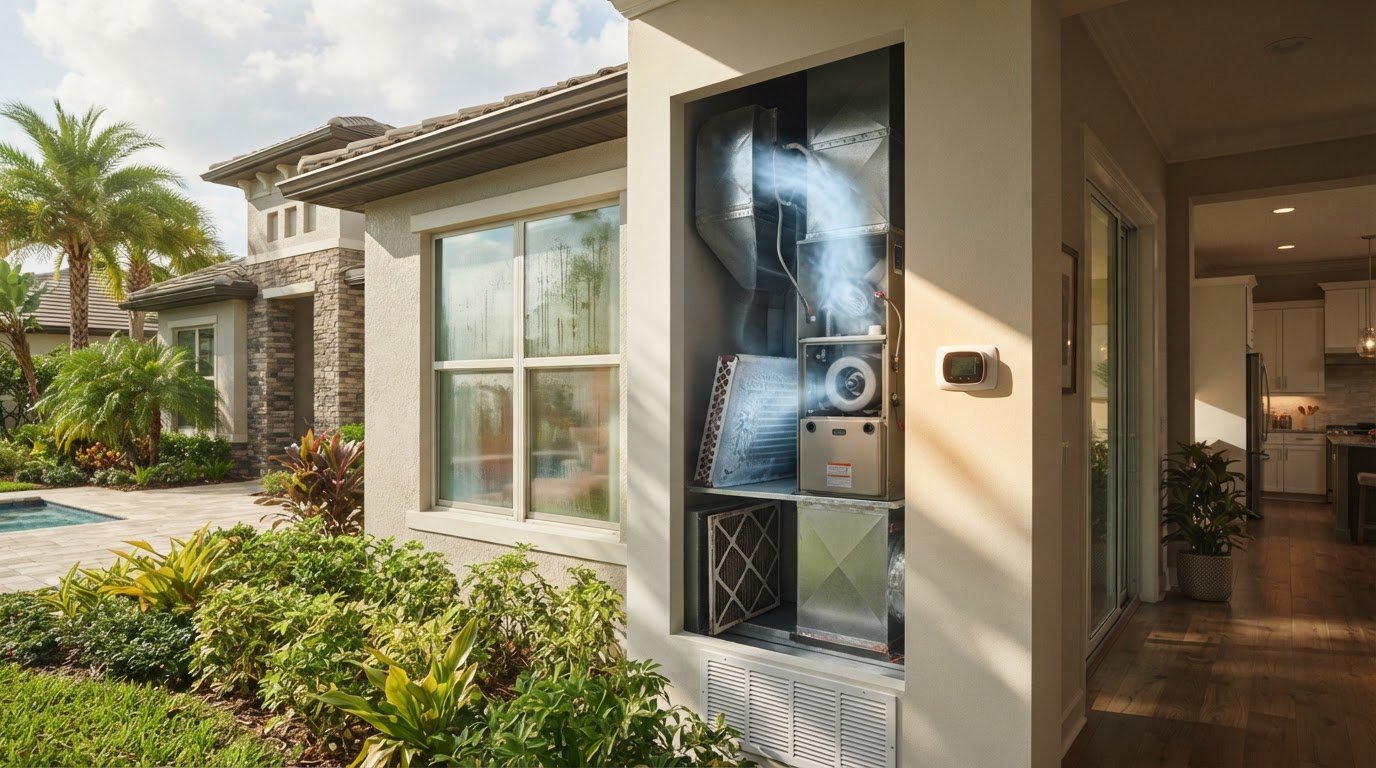
A short run isn’t automatically a failing AC in Orlando, but repeated stops within 10 minutes or less can signal short cycling. An air conditioner short cycling in Orlando shuts off before the home has cooled or dried out, then starts again too soon. The key is how often it repeats and whether your home stays comfortable.
It’s understandable to worry when your system keeps switching on and off, especially during a hot Florida day. Runtime varies with the weather: an AC may run for hours in hotter conditions, while mild weather can bring shorter runs and longer pauses. This guide explains common causes, how short cycling affects comfort and energy use, and how to distinguish it from normal summer operation. You’ll also learn which signs suggest a problem needs attention.
Key Takeaways
- A clogged filter or blocked airflow can disrupt cooling; learn which basic checks may help distinguish an airflow issue from a deeper fault.
- Thermostat placement matters: heat from sunlight, nearby appliances, or drafts can distort temperature readings and affect when the system starts and stops.
- An oversized AC may cool the thermostat area quickly without removing enough humidity, leaving the home feeling clammy.
- Frequent starts and stops can undermine comfort, add energy use, and put extra stress on equipment; watch for signs that the problem is persisting.
- Compare run patterns with Orlando’s changing weather, then consider AC repair if the home stays warm or humid or warning signs appear.
Can a dirty air filter cause short cycling?
Yes. A dirty filter can restrict airflow, cause the indoor coil to get too cold, and contribute to freezing or early shutdowns. In Winter Park, repeated stops paired with weak airflow deserve attention, especially if your home stays warm.
Arlinghaus Plumbing Heating & Air Conditioning explains how short cycling affects household comfort and equipment:
Restricted Airflow from Clogged Filters
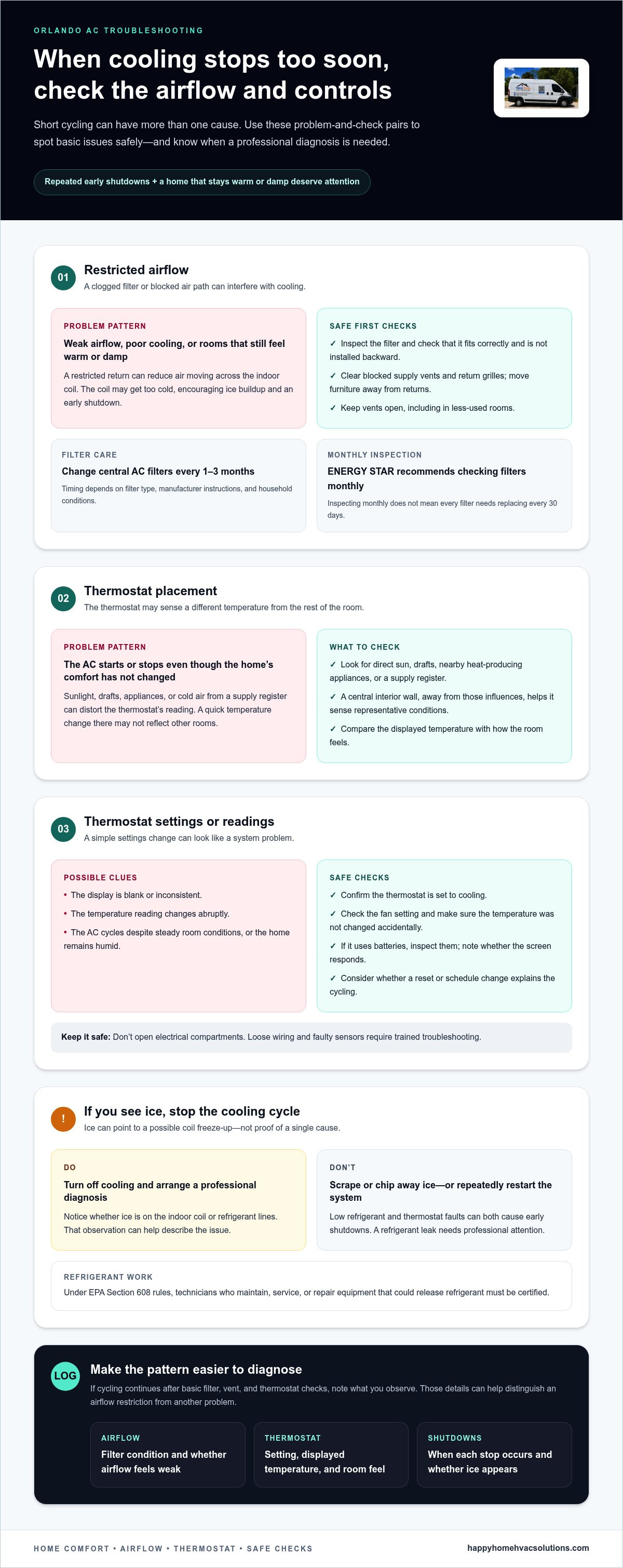
A clogged filter restricts air moving through the return, reducing airflow across the indoor coil. The coil can become too cold, encouraging ice buildup and poor cooling. The system may then shut down early while rooms remain warm or feel damp. Checking the filter is a practical first step, but it isn’t the only possible cause of short cycling.
Safe Checks for Filters and Vents
Safe homeowner checks include inspecting the filter, thermostat, supply vents, and return grilles without opening electrical panels. Confirm the thermostat is set to cooling, look for a visibly dirty filter, and clear any blocked vents. Move furniture away from return grilles so air can flow freely. These checks may reveal a simple airflow problem before you arrange a diagnosis.
Filter timing depends on the filter type, manufacturer instructions, and household conditions. Homeowners should change central AC filters every 1-3 months; ENERGY STAR recommends inspecting, cleaning, or changing HVAC filters monthly. Monthly inspection doesn’t mean every filter needs replacement every 30 days. Check its condition and fit, then replace it with the correct type when needed. A filter installed backward or fitted poorly can also undermine airflow.
Look for ice on the indoor coil or refrigerant lines, but don’t scrape or chip it away. If you see ice, turn off cooling and arrange a professional diagnosis. Blocked supply vents and return grilles can also restrict airflow and contribute to coil freezing. Keep vents open and clear, including in less-used rooms, rather than closing registers to redirect air.
Routine maintenance can address clogged filters, dirty accessible components, drain concerns, and missed care. A dirty filter doesn’t prove that the system is oversized or identify an electrical fault. If short cycles persist after basic filter, vent, and thermostat checks, professional diagnosis can distinguish airflow restrictions from other problems. Under EPA Section 608 rules, technicians who maintain, service, or repair equipment that could release refrigerant must be certified, according to the U.S. Environmental Protection Agency.
For homeowners in the Winter Park service area, note whether the filter is dirty, airflow feels weak, or ice appears. Those observations help describe the problem clearly when arranging an AC diagnosis.
Can Thermostat Problems Make an AC Turn On and Off?
Yes. Low refrigerant can cause pressure changes that prompt the system to shut down, while a frozen coil can disrupt cooling and needs diagnosis. A thermostat can also trigger frequent starts and stops if its temperature reading or settings don’t reflect your home’s actual conditions.
Thermostat location can cause inaccurate readings. A thermostat near a sunny window, heat-generating appliance, supply register, or draft may sense a different temperature from the rest of the room. For example, direct sun can warm the thermostat while the living area stays cool, prompting the AC to start unnecessarily. A thermostat should be on an interior wall, away from sunlight and drafts.
Placement also affects how the system responds to cooling demands. A central location, away from registers and heat-producing appliances, helps the thermostat sense conditions representative of your home. If it sits directly in the path of cold supply air, it may register a quick temperature drop and shut cooling off before other rooms feel comfortable. The system may then start again as the thermostat warms.
Check the thermostat display and settings before assuming there’s a mechanical fault. Confirm it’s set to cooling, the fan setting matches your preference, and the temperature hasn’t been changed accidentally. If the display is blank or inconsistent, inspect the batteries if the thermostat uses them, then check whether the screen responds. A reset or schedule change can also explain unexpected cycling.
Compare the displayed temperature with how the room feels, and notice whether the AC stops when the thermostat reaches its setting. If the reading changes abruptly, the unit starts and stops despite steady room conditions, or your home remains humid, the thermostat may be malfunctioning. Loose wiring or a faulty sensor can also interrupt normal control. Don’t open electrical compartments to investigate; internal troubleshooting belongs to a trained technician.
Low refrigerant and thermostat faults can look similar because both may cause early shutdowns. A refrigerant leak needs professional attention, and refrigerant work has certification requirements. Ice on the coil points to a possible freeze-up, not proof of a thermostat problem. Turn off cooling if you see ice and arrange a diagnosis rather than repeatedly restarting the system.
In Winter Park, note the thermostat setting, displayed temperature, and when each shutdown occurs. This brief record can help distinguish a placement or settings issue from persistent equipment trouble. If the settings and location seem right but cycling continues, professional AC diagnosis can identify the cause and guide the next repair.
Oversized air conditioning systems
An AC can short-cycle when its cooling capacity exceeds the home’s needs. The pattern can point to sizing rather than a filter or thermostat problem.
Oversized Equipment and Short Cycling
An oversized system can reach the thermostat setting too quickly, then shut off before completing a full cooling cycle. The thermostat may register the target temperature while other rooms still feel warm or humid. Frequent starts and stops can also affect energy use and add operating stress. If short cycles continue despite clear vents and correct settings, system size should be part of the diagnosis.
For example, a large unit may cool the main living area quickly but leave a distant bedroom uncomfortable. The system stops when the thermostat senses its target temperature, even though the home hasn’t cooled evenly. Short run times can also limit dehumidification, so the air may feel sticky after the thermostat reaches its setting. More cooling capacity doesn’t automatically mean better comfort.
Load Calculations and Zoning Configuration
AC sizing should reflect the home’s cooling load, which a Manual J calculation estimates using factors such as the building envelope, windows, and orientation. This helps match equipment capacity to the home instead of choosing a unit based only on floor area. Zoning also matters because dampers direct airflow to separate areas, changing which rooms receive cooling during a cycle.
A 1997 study of homes in five Florida counties, including Palm Beach County, found that more than half had cooling capacity above 120% of the value calculated using ACCA Manual J. That finding illustrates why equipment size deserves attention during diagnosis. It doesn’t establish that every short-cycling system is oversized; airflow restrictions, thermostat readings, and other faults can produce similar symptoms.
Zoning can complicate the picture. If a zone reaches its thermostat setting and its damper closes, airflow may shift while other zones still call for cooling. System size and configuration need to work together, including the supply and return paths. Note which rooms cool first and whether cycling changes when different zones call for cooling. That pattern gives a technician useful context.
If an air conditioner is oversized, correcting the sizing problem may require replacement; a technician can assess whether a separate fault is also contributing. A repair may address a separate fault, but it won’t change excess cooling capacity. Before replacement, assess the home’s load and zoning so the new system matches actual demand. This distinction helps separate a repairable component problem from a sizing issue that affects every cycle.
Effects on comfort, humidity, energy bills, and equipment wear
Short cycling can leave a Winter Park home uncomfortable and add stress to the AC system. Repeated starts and stops strain components such as the compressor and electrical controls.
Comfort and Humidity Control
Short cycles may cool the air near the thermostat without giving the system enough time to remove indoor moisture. That can leave bedrooms warm and living spaces clammy, even when the thermostat reaches its setting. Indoor relative humidity can rise above 60 percent when cycles are too short. The result is less consistent comfort across the home.
Florida’s heat makes humidity control an important part of cooling, not an optional extra. A properly sized system that runs long enough can remove more moisture during operation. If cycling ends prematurely, pay attention to how rooms feel, not only the thermostat reading. Persistent dampness alongside weak cooling can signal that the system isn’t completing effective cycles.
Energy Use and Equipment Wear
Each start requires the system to begin another operating cycle, adding start-stop stress and potentially contributing to higher energy use. Air conditioning accounts for approximately 27% of total home energy use in Central Florida. That figure doesn’t predict an individual bill, but it shows why inefficient operation can matter. An overdue maintenance visit, a dirty air filter, or incorrect sizing may each play a role.
Short cycling also limits the time the system spends cooling steadily. ENERGY STAR says an air conditioner’s efficiency peaks after it has run for about 10 minutes. Repeatedly stopping before that point can therefore undermine efficient operation. Keep track of frequent starts, warm rooms, and changes in energy use, rather than assuming one symptom identifies the cause.
Strain on Compressors and Controls
The compressor, capacitors, and electrical controls help start and run the AC. Frequent cycling makes these components handle repeated starts, which can add wear over time. A short cycle doesn’t prove that a specific component has failed, but continued operation in this pattern can increase the risk of equipment trouble and repairs.
Persistent short cycling can cut an air-conditioning unit’s potential 15-year lifespan in Florida in half. That describes the possible effect of a continuing problem, not a guaranteed outcome for every system. Maintenance can help identify issues that affect operation, while an air filter and clear airflow paths support proper performance. If the compressor runs only for seconds before stopping, arrange professional diagnosis sooner.
Look for patterns: recurring shutdowns, humid rooms, weak cooling, or repeated electrical symptoms. These clues can help distinguish a brief operating change from a persistent fault. Addressing the underlying cause, whether it involves airflow, sizing, or an electrical component, is more useful than repeatedly restarting the system.
Short cycling compared with normal Florida summer runtime
A short run isn’t automatically a fault in Florida, because outdoor heat affects how long an AC operates. The useful clue is whether the system cools your home steadily or repeatedly shuts off before comfort returns.
For diagnosis and repair, the price depends on the cause and work required, and is given after a quote request. A refrigerant leak, capacitor fault, airflow restriction, and equipment-sizing issue involve different assessments and repairs.
A cooling cycle may last 15 to 20 minutes, but weather and indoor conditions affect runtime. At the start of the season, a properly sized system may run for 3 to 5 minutes, then remain off for hours during mild conditions. On hotter days, an AC may run for hours with very short off cycles. Runtime alone doesn’t tell the whole story.
Central Florida systems operate for 10 to 12 months per year, and summer temperatures regularly exceed 90°F. During peak daytime heat, an AC may cycle roughly two to three times per hour. Those patterns differ from an Orlando system that starts again every 5 minutes, which indicates a mechanical or electrical issue rather than normal cooling demand.
Use the pattern and comfort together. If the system runs for hours on a hot afternoon and the home stays comfortable, that can fit normal summer operation. If it stops after a brief run, restarts repeatedly, and rooms remain warm or humid, short cycling is more likely. An AC cycling every 10 minutes may also be short cycling, so note run and off times rather than judging from one cycle.
If you notice air conditioner short cycling in Orlando, compare the pattern with the weather and how your home feels. A system running longer during peak heat may be responding to demand; repeated brief cycles with poor cooling suggest a fault. In Winter Park, recording the thermostat setting and how long each run lasts can give a technician useful context.
Limit troubleshooting to safe observations: inspect the filter, clear blocked vents and return grilles, and look for ice or water near the indoor unit. Don’t open electrical panels, test a capacitor, or repeatedly reset a breaker. If the compressor or outdoor fan runs for only seconds before stopping, arrange a professional diagnosis. Refrigerant and electrical faults need trained service.
If air conditioner short cycling in Orlando continues after basic checks, schedule AC repair to identify what is interrupting operation.
Happy Home HVAC Solutions: AC Repair
Happy Home HVAC Solutions provides AC repair for short cycling that continues after basic filter, vent, and thermostat checks. Contact the team if your home stays warm or humid, ice or water appears, or the outdoor unit buzzes, fails to start, or stops after running only briefly.
A repair diagnosis can distinguish airflow restrictions from thermostat, electrical, refrigerant, or equipment problems. Share what you’ve observed, such as how long the system runs and whether the issue changes with thermostat settings. If the system is oversized and short cycling, replacement with correctly sized equipment may be needed instead of repair alone.
Contact Happy Home HVAC Solutions to discuss AC repair for your Winter Park home, or visit happyhomehvacsolutions.com.
Take the Next Step Toward Steadier Comfort
Use the pattern you’ve noticed to guide what happens next. A brief note about when the system starts, how it behaves, and whether comfort changes can make a service conversation more focused. If you’re dealing with air conditioner short cycling in Orlando, you don’t need to identify the faulty part yourself. The priority is understanding what’s interrupting reliable cooling and choosing a suitable next step.
Happy Home HVAC Solutions offers AC repair when an existing system needs attention, along with AC installation when replacement is the right path. The team also provides heating and furnace services to help homeowners address comfort needs across seasons. For a cooling issue, describe the symptoms you’ve noticed and discuss the repair or installation option that fits your home.
Take action when repeated cycling disrupts comfort rather than letting uncertainty linger. Contact Happy Home HVAC Solutions to talk through your AC concerns and move toward a more comfortable home.
Frequently Asked Questions
Why is my AC short cycling?
Your AC may be short cycling because a control or system condition is interrupting its operation. Air conditioner short cycling in Orlando can have causes ranging from a thermostat reacting to nearby heat to an airflow restriction or equipment fault. Notice whether the pattern began after a setting change, filter replacement, or shift in weather. Those details help explain what’s happening without guessing which part has failed.
What can I check before calling for AC service?
Check the thermostat mode and setting, inspect the filter, and make sure furniture or curtains aren’t blocking supply vents or return grilles. Note any ice, water, buzzing, or breaker trips around the system. Keep these checks visual and safe: don’t remove electrical panels, test internal parts, bypass a float switch, or repeatedly reset a breaker. A brief symptom record can help make a service visit more focused.
Can a Clogged AC Drain Look Like Short Cycling?
Yes. A clogged condensate drain can cause water to collect near the indoor unit, and a float switch may stop the AC to help prevent overflow. The shutdown can seem unexplained even though drainage is the issue. Look for visible water around the unit, but don’t bypass a float switch or pour chemicals into the drain. Water near the system is a reason to arrange professional service.
Can a Frozen Coil Cause Short Cycling?
Yes. Ice on the indoor coil can interfere with cooling and contribute to poor operation or shutdowns. Restricted airflow is one possible cause, but a frozen coil doesn’t identify the root problem by itself. If you see ice, turn off cooling and arrange a professional diagnosis. Don’t chip the ice away or keep restarting the AC; neither action addresses the cause.
How Does a Dirty Coil Push an AC Into Short Cycling?
A dirty indoor coil can reduce heat transfer, making it harder for the system to cool effectively. If buildup also restricts airflow, the coil may become too cold and freeze, interrupting operation. Watch for weaker airflow or visible ice, but don’t open access panels to reach internal components. A technician can assess the coil and determine whether dirt, airflow, or another fault is behind the repeated stops.
What is air conditioner short cycling, and what causes it?
Short cycling describes an AC that starts, runs briefly, shuts off, then restarts before cooling or drying the home properly. Repeated runs of 10 minutes or less can signal a problem, especially if rooms remain uncomfortable. Causes can include airflow restrictions, thermostat issues, oversized equipment, low refrigerant, or electrical faults. The cycle pattern helps describe the symptom, but it doesn’t establish which component needs attention.
How can I troubleshoot an AC that keeps turning on and off?
If your air conditioner is short cycling in Orlando, note the thermostat setting, run time, and whether the outdoor unit starts each time. Then check the filter and clear blocked vents without opening equipment panels. Watch for ice, water, unusual buzzing, or a tripped breaker. Avoid testing capacitors or repeatedly resetting breakers. If cycling continues after basic checks, or a fan stops after only seconds, arrange a professional diagnosis.
Can a dirty air filter cause AC short cycling?
Yes. A clogged filter restricts airflow and can contribute to a coil becoming too cold, icing, and disrupting cooling. Inspect the filter regularly and replace it according to its type, the manufacturer’s instructions, and household conditions. Central AC filters should be changed every 1-3 months, though replacement needs vary. If the system continues cycling with a clean, correctly fitted filter, another airflow or equipment issue may be involved.