Summer AC Prep Checklist: Get Your Central Florida Home Ready for the Heat
Before Florida's brutal summer heat arrives, run through this checklist to make sure your AC is ready to handle months of nonstop cooling without breaking down.

In Central Florida, summer doesn't ease in gradually — it arrives fast and stays for months. By May, temperatures are already climbing into the upper 80s and 90s, and your air conditioner will be running nearly around the clock until October.
The worst time to discover your AC has a problem is on the first 95-degree day of the year. A little preparation in spring goes a long way toward a comfortable, worry-free summer.
Here's your complete summer AC prep checklist.
✅ 1. Replace Your Air Filter
Start here. A fresh filter ensures maximum airflow and efficiency heading into the season. If you haven't changed it in the last 30–60 days, replace it now.
For summer in Florida, plan to change it every 30 days — your system will be running hard, and filters load up fast.
✅ 2. Clear the Area Around Your Outdoor Unit
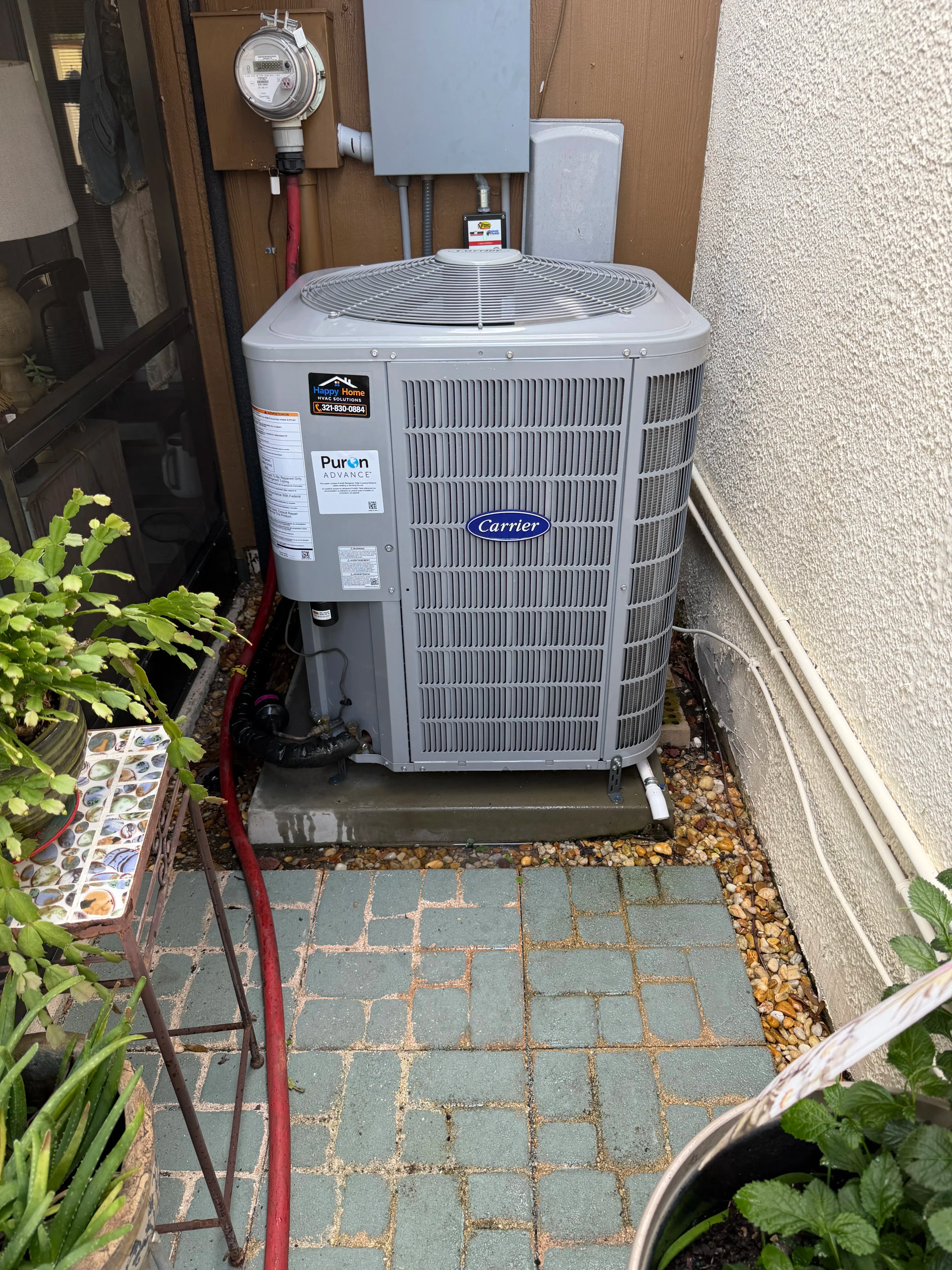
Your condenser (the outdoor unit) needs at least 2 feet of clearance on all sides to breathe properly. Over the winter and spring, vegetation grows, debris accumulates, and landscaping can encroach.
Before summer:
- Trim back shrubs, grass, and plants
- Remove leaves, twigs, and debris from around and on top of the unit
- Gently rinse the condenser fins with a garden hose (top to bottom, not a pressure washer)
- Make sure the unit is level — settling can cause drainage and vibration issues
✅ 3. Check and Clean Your Condensate Drain Line
Florida's humidity means your AC pulls a lot of moisture out of the air — and that moisture drains through the condensate line. In summer, algae and mold can clog this line quickly, causing water to back up and potentially overflow into your ceiling or walls.
Prevention:
- Pour a cup of distilled white vinegar down the drain line every month
- Check the drain pan under your air handler for standing water
- If you notice water dripping from the unit or a musty smell, the line may already be clogged — call a technician
✅ 4. Test Your Thermostat
Before the heat hits, verify your thermostat is working correctly:
- Set it to COOL and lower the temperature below the current room temp
- Confirm the system kicks on within a minute or two
- Check that the temperature reading is accurate (compare to a separate thermometer)
- If you have a smart thermostat, update its firmware and review your summer schedule settings
If your thermostat is more than 10 years old and not programmable, consider upgrading — it's one of the best ROI improvements you can make.
✅ 5. Inspect Your Air Vents and Registers
Walk through your home and check every supply and return vent:
- Make sure none are blocked by furniture, rugs, or curtains
- Vacuum dust and debris from vent covers
- Check that all vents are open (closing vents doesn't save energy — it increases duct pressure and strains your system)
- Listen for unusual rattling when the system is running
✅ 6. Check Your Insulation and Seal Air Leaks
Before summer's heat sets in:
- Inspect weatherstripping around exterior doors — replace if cracked or compressed
- Check caulking around windows for gaps
- Feel for drafts around electrical outlets on exterior walls
- If your attic insulation is thin or old, adding insulation before summer significantly reduces your cooling load
✅ 7. Test Your Ceiling Fans
Ceiling fans should spin counterclockwise in summer to create a downdraft and wind-chill effect. Check the direction switch (usually on the motor housing) and confirm the blades are moving the right way.
Clean dusty fan blades — accumulated dust reduces efficiency and can aggravate allergies.
✅ 8. Schedule a Professional AC Tune-Up
This is the most important item on the list. A professional tune-up before summer catches issues that homeowner checks can't — refrigerant levels, coil condition, electrical connections, motor performance, and more.
During a tune-up, our technicians:
- Clean evaporator and condenser coils
- Check refrigerant charge and inspect for leaks
- Test capacitors, contactors, and electrical connections
- Lubricate motors and moving parts
- Verify thermostat calibration and system controls
- Measure airflow and temperature differential
Our flat-rate AC Maintenance service is $125. Scheduling it in spring — before the summer rush — means faster availability and peace of mind heading into the hottest months.
✅ 9. Know Your System's Age and Condition
If your AC is 10–15 years old, summer is the highest-risk season for a breakdown. Before it fails on the hottest day of the year, it's worth having a technician assess its condition and discuss whether a proactive replacement makes sense.
Modern systems are significantly more efficient than units from 10+ years ago. A new system often pays for itself in energy savings within a few years.
✅ 10. Have Your Technician's Number Saved
Even with perfect preparation, things happen. Save our number — 321-830-0884 — so you're not scrambling to find a reliable technician when you need one fast.
We serve Orlando, Lake Mary, Sanford, Oviedo, Longwood, Altamonte Springs, and all of Central Florida.
Summer AC Prep: Quick Reference
| Task | DIY or Pro | Timing |
|---|---|---|
| Replace air filter | DIY | Now, then monthly |
| Clear outdoor unit | DIY | Before summer |
| Flush condensate drain | DIY | Monthly |
| Test thermostat | DIY | Before summer |
| Check vents and registers | DIY | Before summer |
| Seal air leaks | DIY | Before summer |
| Professional tune-up | Pro | Spring |
| Assess system age/condition | Pro | If 10+ years old |
Frequently Asked Questions
When should I schedule my pre-summer AC tune-up? March through April is ideal — before the heat arrives and before our schedule fills up. May works too, but availability gets tighter.
How do I know if my AC is ready for summer? If it's been serviced in the last 12 months, the filter is fresh, and it's cooling properly, you're in good shape. If it hasn't been serviced in over a year, schedule a tune-up.
What if my AC doesn't turn on when I test it? Check the circuit breaker first. If it's tripped, reset it once. If it trips again, call a technician — don't keep resetting it. Also check that the thermostat has fresh batteries if it's battery-powered.
Is it worth repairing an old AC before summer? Depends on the repair cost and system age. A general rule: if the repair costs more than 50% of a new system's price and the unit is over 10 years old, replacement is usually the smarter investment.
A little preparation now means a comfortable, worry-free summer. Work through this checklist, schedule your tune-up, and head into Florida's hottest months with confidence.
Ready to book your pre-summer AC maintenance? Contact Happy Home HVAC Solutions — we're here to keep Central Florida cool.
Explore Topics
Written by
Happy Home HVAC Solutions
Content creator and writer sharing insights and stories.