
HVAC Maintenance Costs, Service Time and Seasonal Value
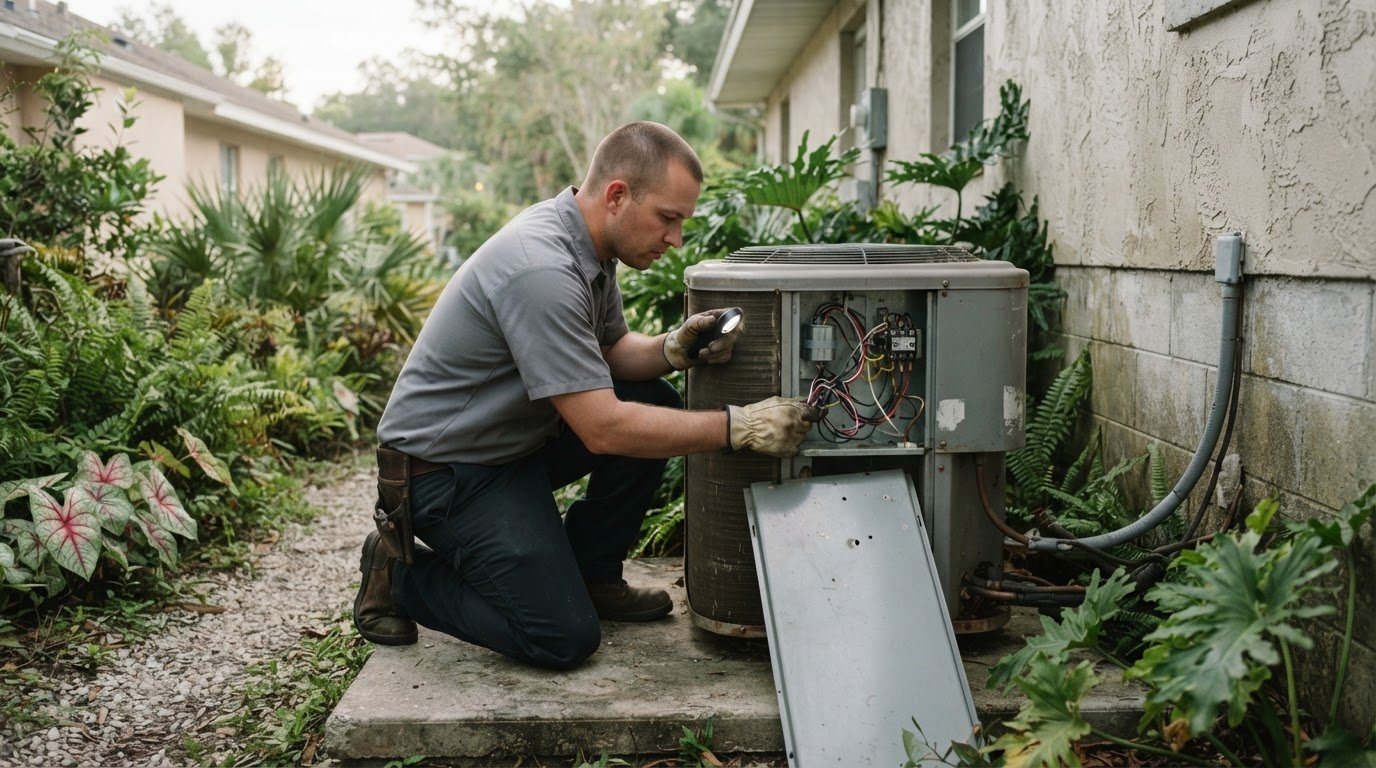
Seasonal HVAC maintenance helps keep your system in good condition before periods of heavy heating or cooling use. Annual service can include cleaning internal parts, spotting minor wear early, supporting efficient operation, and helping extend equipment life. The U.S. Environmental Protection Agency recommends yearly inspections as part of preventive maintenance for heating and cooling systems.
It’s reasonable to ask whether a maintenance plan fits your household budget, how long an AC visit may take, and what an older home’s equipment needs. This guide explains what seasonal service covers, what upkeep you can do between visits, and how maintenance differs for air conditioners and furnaces. You’ll also learn what affects service time and when aging equipment may need more than routine care.
Key Takeaways
- Weigh a seasonal plan by the upkeep it covers and whether it helps catch wear before peak heating or cooling demand.
- AC service time depends on the system’s condition, access, and whether inspection uncovers work beyond routine maintenance.
- For older equipment, frequent breakdowns or expensive parts can make replacement worth considering, especially when a unit is over 15 years old.
- Check standard disposable filters every 30 to 60 days, and keep up with professional system inspections.
- The U.S. Environmental Protection Agency recommends yearly inspections as part of preventive maintenance for heating and cooling systems.
How long does an air conditioning service take?
An AC service visit usually includes more than checking the thermostat. A technician reviews the reported symptoms, inspects accessible components, checks airflow, and tests system operation. The time depends on equipment condition, access, and whether inspection uncovers a repair need. A dirty filter and a unit that will not cool require different steps. Seasonal maintenance may focus on cleaning and wear, while a shutdown needs troubleshooting. The AC maintenance service page describes planned care.
In the United States, renter and landlord maintenance responsibilities depend on the lease and applicable state or local rules. Tenants should report heating or cooling problems promptly, and landlords should follow the requirements that apply to their properties.
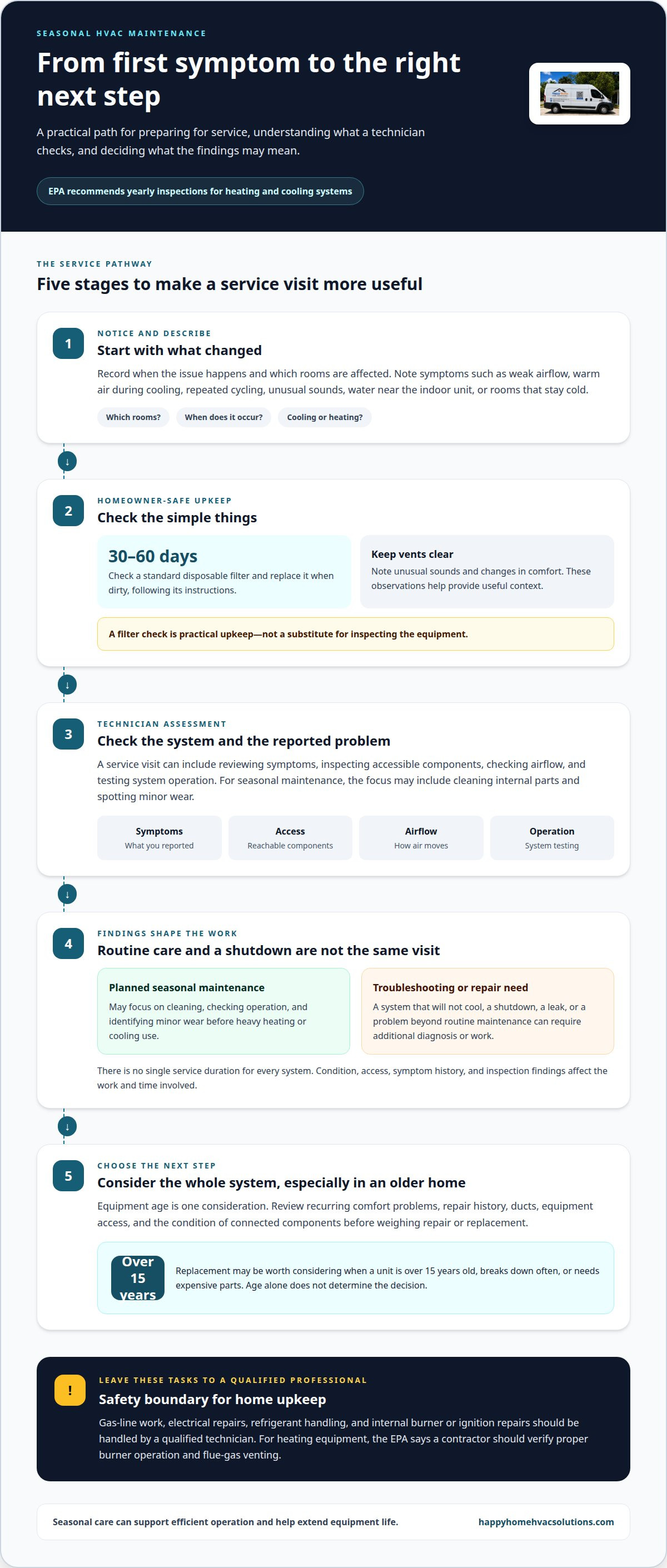
Homeowners can check a standard disposable HVAC filter every 30 to 60 days and replace it when dirty, following its instructions. They can also keep vents clear, note unusual sounds, and record when comfort changes. Leave electrical components, refrigerant, burners, and internal repairs to trained professionals. A filter check is a practical step, not a substitute for inspecting the equipment.
In Orlando, Oviedo, Winter Springs, Winter Park, and Altamonte Springs, service time depends on the home and system, not the city. Before a visit, note which rooms feel uncomfortable and when the problem occurs. For example, record whether weak airflow affects one bedroom or several rooms, and whether it happens during cooling or heating.
Steam boilers and hot-water radiator systems need service specific to their equipment. A visit may include inspecting accessible piping and radiator connections, as well as looking for visible leaks or corrosion. If a radiator heats unevenly, note the room and describe the pattern. For heating equipment, the U.S. Environmental Protection Agency says a contractor should verify proper burner operation and flue-gas venting.
Signs that your AC may need service include weak airflow, warm air during a cooling cycle, repeated cycling, new rattling, or water near the indoor unit. For heating systems, note rooms that stay cold, unusual furnace sounds, or radiators that heat unevenly. Record when symptoms occur and which rooms are affected. This history gives the technician useful context before testing begins.
There’s no single service duration for every system. A routine inspection with easy equipment access is simpler than diagnosing a shutdown, tracing a leak, or reaching internal components. System type, symptom history, and inspection findings all affect the work. For example, uneven cooling in a home with older ductwork may require checking airflow as well as the AC unit.
HVAC maintenance and repair for older homes
Older homes may need more than routine filter changes. An inspection should account for the equipment, duct layout, heating components, and repair history before determining whether a repair or replacement is appropriate.
Maintenance in Older Homes
In Orlando-area homes, the age and layout of a building can affect access to HVAC equipment and ducts. Look for uneven temperatures, recurring comfort problems, and past repairs when reviewing system condition. Consider replacement when a unit is over 15 years old, breaks down often, or needs expensive parts. Age is one factor, not the only one.
Heating problems can involve cracked furnace heat exchangers, corroded boiler components, or failing ignition systems. These issues may disrupt heat across rooms or zones. In a multi-unit property, one furnace or boiler may serve two units, so a zone problem can affect more of the building. Note which rooms lose heating or cooling and when symptoms occur.
AC repair and installation decisions depend partly on the home’s existing equipment and layout. Older ductwork, tight equipment spaces, and changes made during past installations can affect airflow and access for service. Before replacing an AC unit, consider how the ducts distribute cooling and whether the equipment is accessible for maintenance. Connected components matter, not just the unit’s age.
Tasks for Licensed Technicians
Leave gas-line work, electrical repairs, refrigerant handling, and internal burner or ignition repairs to a qualified technician. These tasks involve components that can pose hazards if handled incorrectly. Homeowners can note symptoms, keep vents clear, and replace a disposable filter according to its instructions, but shouldn’t open sealed equipment or attempt gas-line repairs.
For heating equipment, the U.S. Environmental Protection Agency says a contractor should verify proper burner operation and flue-gas venting. This check is important for furnaces and boilers. If you notice unusual operation or visible corrosion, describe what you observed rather than dismantling the equipment.
Commercial HVAC systems serving business spaces have different layouts and operating needs than residential equipment. Water heater repair or replacement is also a separate job: report leaks, inconsistent hot water, or visible corrosion as appliance concerns. Gas-line installation and repair should not become a do-it-yourself task. Avoid changing connections or investigating a suspected leak yourself. For planned AC upkeep, seasonal air conditioning maintenance can address equipment condition and identify wear.
Air conditioning maintenance and installation
Annual AC maintenance focuses on cleaning internal parts, spotting minor wear, and checking system operation. These steps can support efficiency and help extend equipment life. A tune-up also provides a clearer picture of the system’s condition before the busiest cooling season. It can’t prevent every breakdown, but it may reveal concerns that need attention.
A central air conditioner is part of a wider heating and cooling system. Its indoor and outdoor equipment, thermostat, and ductwork all affect comfort. During maintenance, a technician can inspect accessible components, check airflow, and look for wear or drainage problems. If one room stays warm while others cool, the issue may involve airflow or distribution, not just the outdoor unit.
Between professional visits, homeowners can take a few practical steps:
- Check a standard disposable filter every 30 to 60 days and replace it when dirty.
- Keep supply and return vents clear of furniture, rugs, and stored items.
- Note changes such as weak airflow, unusual sounds, or water near indoor equipment.
- Keep a record of recurring symptoms and which rooms they affect.
These observations make it easier to explain what changed and when. Leave electrical work, refrigerant handling, and internal repairs to a trained technician. Checking the filter is useful upkeep, but it doesn’t replace a system inspection.
Installation becomes a consideration when an air conditioner breaks down often, needs expensive parts, or is over 15 years old. Those signs do not automatically settle the repair-or-replace decision. Compare the equipment’s condition and repair needs with the comfort problems it causes. A unit with recurring trouble may call for a different plan than one with a single repairable fault.
A good installation starts with the home, not just the old unit’s label. The home’s layout, existing ductwork, equipment location, and comfort needs all shape the system choice. A central unit, for example, needs to work with the home’s air distribution, while a room that stays uncomfortable may point to a separate airflow issue. Discuss these conditions before choosing replacement equipment.
After installation, keep equipment information and service records together. Record the installation date, model details, and maintenance completed. These notes help track recurring issues and give future technicians useful context. They also make it easier to explain temperature imbalances or performance changes accurately.
Seasonal service plans are most useful when scheduled visits suit the equipment and include meaningful inspection and cleaning. Review what each visit covers, then compare it with your system’s age, condition, and service history. This gives you a clearer basis for judging a plan than its name alone.
Gas and electric furnace maintenance
Gas and electric furnaces need different checks because they generate heat differently. A gas furnace uses burners and an ignition system, while an electric furnace uses electrical heating components. Both depend on airflow, controls, and a working blower to deliver steady comfort.
Furnace maintenance focuses on heating components, controls, and airflow, while central AC service focuses on cooling operation and air distribution. Heat pumps provide both heating and cooling, so service should consider both operating modes. Modern cold-climate ductless heat pumps can operate efficiently when outdoor temperatures drop below zero.
For a gas furnace, technicians should examine burner operation, ignition, and venting. A cracked heat exchanger, corroded component, or failing ignition system can affect reliable heating throughout your home. Report changes such as unusual sounds, repeated shutdowns, or rooms that no longer warm evenly to Happy Home HVAC Solutions.
Electric furnace checks focus on the heating elements, electrical connections, blower, and thermostat controls. You can note whether the system starts, whether airflow feels weaker, and which rooms remain cold. Leave internal electrical work and component replacement to a trained technician. Record when the problem occurs, such as during startup or after the furnace has been running.
The U.S. Environmental Protection Agency recommends yearly inspections as part of a preventive maintenance program for heating and cooling systems. A technician can assess system condition, clean internal parts, and catch minor wear before it develops into a larger repair. Between visits, check a standard disposable filter every 30 to 60 days and replace it when dirty. Keep supply and return vents clear so the system can move air through the home.
Heating needs also depend on the home and region. Unusual duct layouts or aging boiler and furnace components can complicate diagnosis in older buildings. Track uneven temperatures by room rather than describing the whole home as not warm enough. This detail helps distinguish a system-wide issue from one affecting a single area.
Repair pricing depends on the equipment, component condition, access, and work required; pricing is provided after a quote request. Before approving a repair, make sure the proposed work explains which part needs attention and why. Replacing a failed ignition component, for example, is different from addressing recurring heating problems involving several system components.
After a furnace visit, keep the service record with equipment details and notes about the completed work. Record the date, symptoms reported, and any parts replaced. These notes give future technicians useful history, especially if the same comfort issue returns or a repair decision depends on earlier work.
How often should HVAC systems be serviced?
Plan a professional inspection each year. The U.S. Environmental Protection Agency recommends yearly inspections as part of preventive maintenance for heating and cooling systems. Annual service gives a technician time to clean internal parts, identify minor wear, and assess system operation. This is a useful baseline for equipment such as furnaces and central air conditioners.
Filters need attention more often than professional inspections. Check standard disposable HVAC filters every 30 to 60 days, and replace a dirty filter according to its instructions. A clogged filter can restrict airflow, so include a visual check in your regular home routine. If the home has more than one return vent, check each filter location rather than assuming they share one filter.
Service frequency should also reflect the equipment and its condition. A heat pump handles both heating and cooling, while a furnace provides heating and a central AC system provides cooling. Recurring problems, uneven temperatures, or unusual sounds call for attention based on the symptoms, not just the calendar. Record the date, affected rooms, and any changes you observe.
Make routine care easier with a simple record. Note the annual inspection date, filter changes, and completed work. For example, if a bedroom remains warmer than the rest of the home after a filter change, record that for the technician. A clear timeline helps distinguish a new concern from a recurring airflow or comfort issue.
Between scheduled visits, keep vents unobstructed and watch for visible changes around equipment. Note water near an indoor AC unit, a furnace that repeatedly stops, or heating that no longer reaches certain rooms. Don’t open equipment cabinets or attempt electrical, refrigerant, burner, or gas-line work. These tasks require professional service and can involve safety risks.
Seasonal service plans may suit households that prefer scheduled upkeep, but compare the actual visits and included tasks. Check whether the plan covers cleaning, an equipment inspection, and attention to the type of system in your home. Then compare those details with your service records, equipment age, and repair history. A plan is easier to assess when you know what work it includes and how that work matches your system.
For practical planning, set a yearly reminder for professional inspection and a recurring reminder to check filters every 30 to 60 days. Keep the service records near equipment manuals, and update them after each visit. If you’re ready to organize routine care, schedule HVAC maintenance for your home.
Happy Home HVAC Solutions: AC Repair
Happy Home HVAC Solutions helps homeowners address AC problems that routine upkeep can’t resolve. If your air conditioner blows warm air, loses airflow, or makes new noises, AC repair can identify the problem and restore dependable cooling. For aging equipment with recurring issues, AC installation may be the right next step.
Heating & Furnace Services address heating concerns, while Insulation Services can help improve how your home holds conditioned air. Tell the service team which rooms feel uncomfortable and when the symptoms occur to give them useful context.
For help with an AC issue or heating concern, contact Happy Home HVAC Solutions to discuss your home’s needs.
Make your next maintenance step count
Turn your system’s service history into a simple plan. Note recurring comfort issues, repairs already completed, and equipment that may need a replacement assessment. These details make a conversation about HVAC maintenance more specific to your home and its needs.
Happy Home HVAC Solutions offers AC Repair for cooling problems, AC Installation when replacement is the right direction, and Heating & Furnace Services for home heating concerns. Start with the issue affecting your comfort, then discuss the service that fits. The right next step depends on your equipment and what your home needs.
For help with an air conditioner or furnace, contact Happy Home HVAC Solutions. A clear plan can make caring for your home’s comfort feel more manageable.
Frequently Asked Questions
Are seasonal maintenance plans worth the investment?
Seasonal plans can be worthwhile when scheduled visits cover the equipment you rely on and the work it needs. An HVAC maintenance plan can help organize recurring service, but its value depends on the schedule and included tasks. Compare those details with your system’s service history. If your home has separate heating and cooling equipment, check whether the plan addresses both systems.
Do you maintain all brands and models of heating and cooling systems?
Happy Home HVAC Solutions services all major brands. Maintenance work depends on the system’s type and condition: a furnace, central air conditioner, and heat pump have different components and operating modes. When describing your equipment, share its brand and model information if available, along with symptoms or recent service notes. This context helps the team understand your system and the attention it may need.
What affects the cost of routine HVAC service?
Service pricing depends on the system, its condition, access, and the work required. Pricing is provided after a quote request. A routine inspection differs from a visit that identifies a repair need, so describe the equipment and symptoms when requesting a quote. For a clearer scope, say whether the appointment concerns heating, cooling, or both, and mention previous work that may affect service.
What’s included in a tune-up?
A tune-up is a preventive service visit focused on inspecting and caring for equipment, not automatically replacing parts. The specific work depends on whether the appointment covers a furnace, air conditioner, or heat pump. Ask for a clear record of what the technician inspected, what maintenance they completed, and any concerns they found. That summary distinguishes completed upkeep from recommended repairs or future replacement planning.
What does HVAC maintenance include?
HVAC maintenance includes routine attention intended to keep heating and cooling equipment in sound operating condition. Work may involve cleaning internal parts, identifying wear, and assessing system performance. Maintenance differs from repair: if an inspection reveals a failed component, correcting that fault is additional work. Keep the equipment manual and service history together, so each visit can account for earlier findings instead of treating the system as new.
What is the typical cost of HVAC maintenance in the United States?
There’s no single maintenance cost that applies to every U.S. home. The amount depends on equipment type, system condition, access, and whether the visit is routine or includes corrective work. Comparing quotes is most useful when each describes the same system and scope. Keep scheduled upkeep separate from repair recommendations in your records, so you can see which work is preventive and which addresses a specific fault.
What should a professional HVAC tune-up include?
A useful tune-up identifies the equipment being serviced, documents the inspection, and explains findings in plain language. For a heating system, the U.S. Environmental Protection Agency recommends checking proper burner operation and flue-gas venting. Keep the service notes with your equipment details. If a technician recommends additional work, the notes help show how it relates to the inspection.
What are the signs an HVAC system needs maintenance or repair?
Watch for changes from normal operation, such as repeated cycling, weaker airflow, new rattling, or rooms that become unevenly comfortable. A thermostat setting that no longer matches how the home feels is another useful clue. Record when the issue occurs and which rooms are affected. This symptom history can help distinguish a maintenance concern from a fault that requires repair.