
Air Conditioning Company Near Me for Repair and Installation Costs
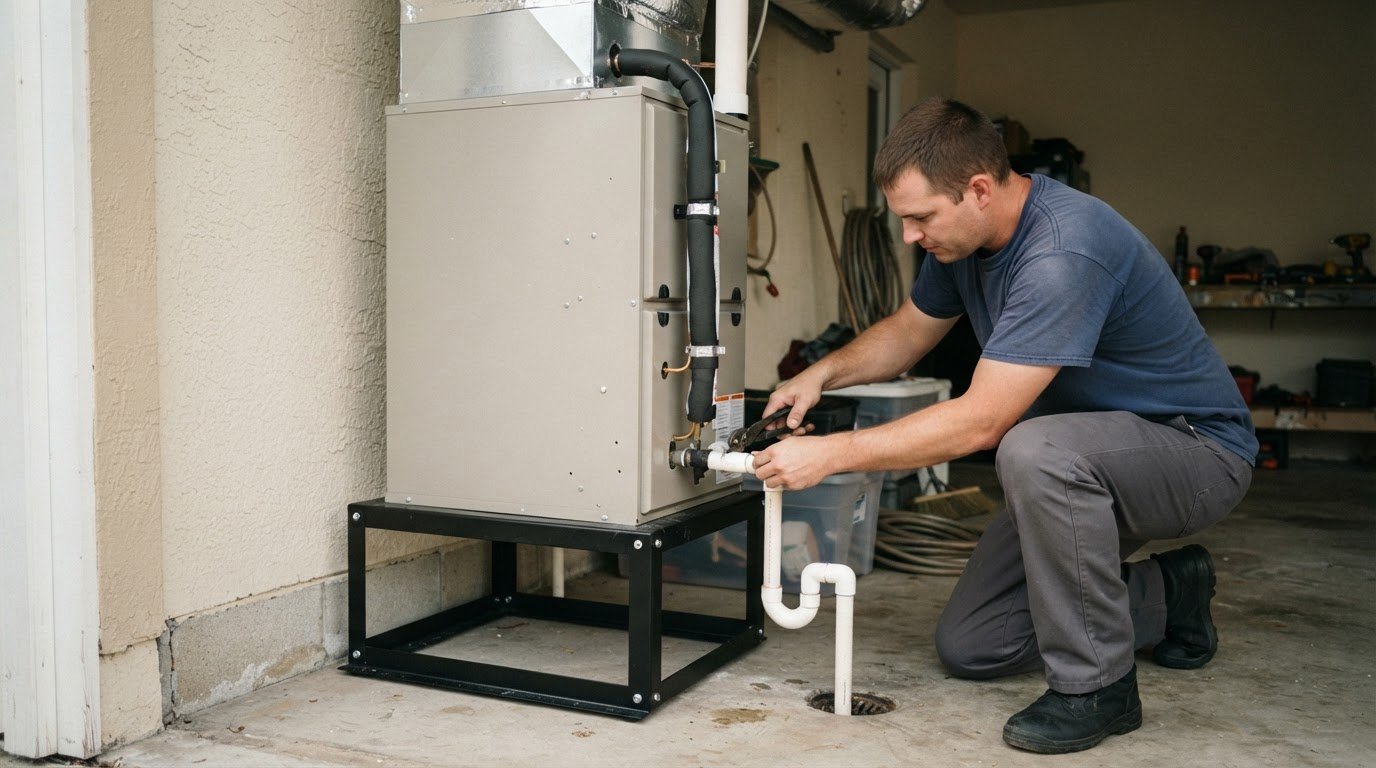
The cost of AC repair or installation depends on the equipment, the work required, and your home’s needs, so there is no single price for every job. An air conditioning company near me can assess your system and provide a quote for the specific repair or installation. Key cost factors include the type of work, equipment requirements, and job complexity.
It’s understandable to want a clear figure before deciding, especially when your home’s comfort is at stake. This guide explains what affects repair and installation costs, what to expect, and how to weigh your options. You’ll learn when repair may make sense and what shapes a replacement project, so you can take the next step with more confidence.
Key Takeaways
- Repair and installation costs depend on the system’s condition, equipment needs, and the work involved, so compare quotes based on the scope of work.
- Use clear service details and customer feedback to assess punctuality and satisfaction, rather than relying on broad promises.
- Most air conditioners last around 10 to 15 years; system age, condition, and repair needs can help guide a repair-or-replacement decision.
- A well-planned replacement considers the home’s cooling needs and the equipment that suits the installation, not just the existing unit.
- Explore repair or installation support when uneven cooling, recurring issues, or an aging system make home comfort harder to maintain.
How much does HVAC repair or AC installation cost?
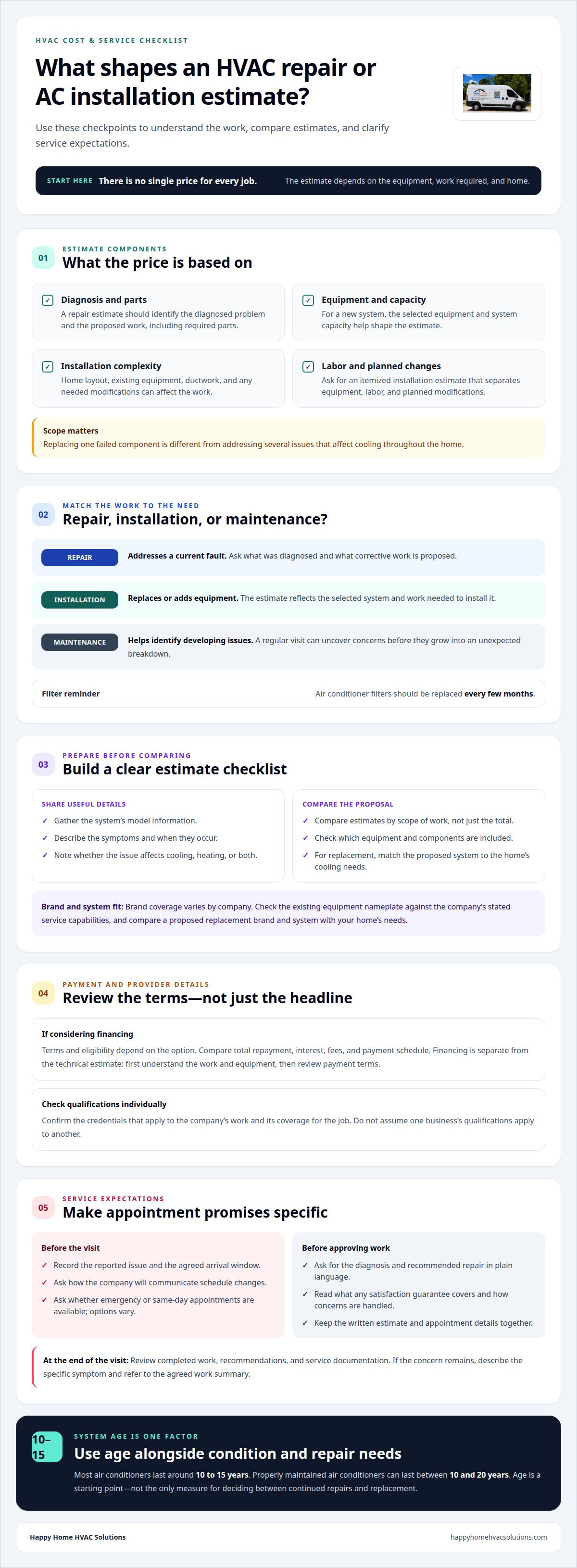
Pricing depends on the work involved and is provided after a quote request. Key factors include the diagnosis, parts, equipment, system capacity, and installation complexity. A repair quote should identify the diagnosed problem and proposed work. Replacing one failed component, for example, is different from addressing several issues affecting cooling throughout the home.
For a new air conditioning system, the estimate reflects the equipment selected and the work required to install it. Central air installation may involve connecting indoor and outdoor equipment to existing ductwork. Additional work may be needed depending on your home’s layout and current system. Ask for an itemized estimate that separates equipment, labor, and planned modifications.
Repair, installation, and maintenance solve different problems. An ac repair addresses a current fault; installation replaces or adds equipment; maintenance helps identify developing issues. Air conditioner filters should be replaced every few months. A regular maintenance visit can also identify concerns before they grow into an unexpected breakdown. See the details of air conditioning maintenance.
Heating work follows the same basic cost principles. A repair depends on the diagnosed problem and parts required, while installation depends on the equipment and your home’s setup. Heating and air equipment may share controls or ductwork, so ask which components the estimate includes. If the system breaks down, prompt diagnosis matters, but urgency alone does not explain the work or its price.
Financing can spread the cost of HVAC repairs or replacements through a payment arrangement. Terms and eligibility depend on the financing option, so compare total repayment, interest, fees, and the payment schedule before agreeing. Financing is separate from the technical estimate: first understand the work and equipment, then review the payment terms.
Licensed, insured, and certified local HVAC companies are identified by credentials that apply to their work and coverage for the job. These qualifications belong to each business, so assess them individually rather than assuming one company’s status applies to another.
Local companies install and service the brands they support, and brand coverage varies by business. Match the nameplate on your existing equipment with the company’s stated service capabilities; for a replacement, compare the proposed brand and system with your home’s cooling needs.
To make an estimate useful, gather the system’s model information, describe the symptoms, and note whether the issue affects cooling, heating, or both. Then compare the proposed scope, equipment, and payment terms. A well-maintained air conditioner may last around 10 to 15 years, so age and repair needs can also inform whether continued repairs or replacement better fits the home.
Customer satisfaction and punctuality guarantees
Clear appointment details make an HVAC visit easier to plan. Before booking, note the reported issue, the agreed visit window, and the best way to reach you. For example, describe whether the system has stopped cooling or struggles only in the afternoon. These details help the technician understand the call and keep the visit focused.
“On time” can mean different things, so look for a specific commitment rather than a broad promise. An arrival window explains when to expect a technician; an update process explains what happens if the schedule changes. A satisfaction guarantee should also define what it covers, how concerns are handled, and whether it applies to workmanship, parts, or both. Read the written terms before approving work.
After diagnosis, ask for the recommended repair in plain language. A useful service summary connects the symptom to the finding and proposed solution. If one room gets little airflow, for instance, ask what was inspected and what corrective work is recommended. This gives you a clear basis for approving or declining the work.
Do local HVAC companies offer emergency or same-day AC repair? Some companies offer emergency or same-day appointments, but these options vary. Ask for the expected arrival window, the scope of the visit, and any applicable scheduling terms before arranging service.
Keep the appointment details together: the service date, arrival window, reported symptoms, and written estimate. If plans change, use the company’s stated communication method and note any revised timing. This record can prevent misunderstandings about the appointment or the work you approved.
Customer satisfaction also depends on how the visit concludes. Before the technician leaves, review the completed work, any recommendations, and the final service documentation. If the original concern remains, describe the symptom clearly and refer to the agreed work summary. A specific example, such as “the living room still feels warmer than the hallway,” is more useful than a general concern.
For an urgent cooling problem, describe what the system is doing now, not only when it started. Mention whether the indoor unit runs, whether air comes through the vents, and whether the issue affects the whole home. These observations help the dispatcher understand the request and assign an appropriate appointment type. They don’t establish a guaranteed arrival time.
Clear expectations matter more than a slogan. Compare the written appointment terms with what happens during the visit, including updates, diagnosis, approval, and follow-through. If a punctuality or satisfaction guarantee is offered, use its exact written conditions to understand what it promises. That makes it easier to judge service fairly and keep your home-care records organized.
Heating and cooling equipment replacement
Most air conditioners last around 10 to 15 years. Properly maintained air conditioners can last between 10 and 20 years. That range makes system age a useful starting point, not the only replacement measure. A unit nearing the end of its expected life, needing repeated repairs, and cooling unevenly deserves a closer evaluation than age alone can provide.
Start by recording what the equipment does and when symptoms appear. For example, note whether the indoor temperature stays high while the cooling system runs or whether the heating system struggles to warm certain rooms. List recent repairs and changes in performance. These observations help a technician assess the full heating and cooling setup, rather than focusing on just one symptom.
Replacement planning should account for your home, not simply copy the existing equipment. A technician considers the layout, current ductwork, comfort concerns, and demands on the system. If one bedroom stays warm while other rooms cool normally, the issue could involve airflow or system performance. Identify the cause before choosing a replacement plan.
Consider the whole system during an equipment review. The indoor unit, outdoor equipment, controls, and connected ductwork work together. Replacing one component while overlooking a problem elsewhere can leave the comfort issue unresolved. Ask which parts the proposal covers and how the recommended setup addresses concerns such as uneven cooling or weak airflow.
Maintenance also affects replacement decisions. Regular HVAC maintenance can help identify potential issues early and reduce the likelihood of unexpected breakdowns. Well-maintained equipment can operate more efficiently, potentially lowering energy bills and extending its lifespan. An AC maintenance history gives useful context: it shows what has been serviced and helps distinguish a developing fault from a broader decline in performance.
Compare repair and replacement by considering the system’s age, condition, repair history, and the work needed to restore comfort. A relatively recent unit with a clearly identified fault may call for a different approach than an older system with recurring problems. Ask for the diagnosis, proposed work, and expected result in writing. That makes the decision easier to understand and revisit.
Use the same careful process for heating equipment. Record which rooms feel cold, when the problem occurs, and the system’s service history. An assessment can clarify whether the concern involves the furnace, controls, airflow, or another connected component. Focus on the specific findings and how the proposed replacement supports comfortable operation throughout the home.
AC replacement and installation
Plan an AC replacement around the comfort problems you want to solve. Before discussing equipment, list rooms that stay warm, temperature changes during summer, and times the system struggles. Note, for example, whether a bedroom remains uncomfortable even when the living room cools. These details give the installer a clear starting point and connect the proposed setup to your home’s needs.
Next, review the existing system and installation conditions. A central air replacement may use existing ductwork, but its condition and layout still matter. Ask which components the proposal replaces and which existing parts remain. If the plan keeps the ducts, clarify how they factor into the installation. A written scope helps you understand what the new equipment is intended to address.
Choose equipment for your home, rather than simply matching the old unit. Discuss the rooms served, airflow concerns, and desired indoor temperature. If you’re considering a different system arrangement, ask how it would deliver cooling to each area. The proposal should reflect your comfort needs, not just a product choice made without considering the home.
Air quality deserves a place in the conversation, too. Tell the installer about concerns such as dust, musty odors, or uneven airflow. Indoor air quality and cooling are related to the home’s overall setup, but a new AC unit alone doesn’t explain or solve every air concern. Ask which parts of the installation affect your stated goals and which concerns require separate attention.
Before work begins, review the estimate and installation plan together. Confirm the equipment, included work, and any changes to existing connections or controls. If the proposal includes duct modifications, for example, make sure their purpose appears in the written scope. This makes it easier to compare proposals based on the same work, rather than equipment names alone.
On installation day, clear a path to the indoor and outdoor equipment. Move stored items away from access points and keep pets clear of the work area. Ask the installer to explain the system’s basic controls before the visit ends. You should know how to set the temperature and where to find equipment information for future service.
After installation, notice how cooling feels in different rooms. Check whether airflow reaches the spaces that prompted the replacement, and learn how to operate the thermostat. If a concern remains, describe the room and specific condition. Keeping a practical record of comfort changes can guide follow-up conversations and future AC maintenance.
What air conditioning companies near me have the best ratings and reviews?
A star score alone can’t identify the right HVAC company for every Central Florida homeowner. Reviews are most useful when they describe the service you need, such as troubleshooting an AC problem or completing an installation. Read the details behind each rating, then compare comments about communication, explanations, and work performed. A specific account offers more context than a score without a description.
For AC repair, look for comments explaining the original symptom and how the technician approached it. A review might describe a system that ran without cooling and whether the cause and repair were clearly explained. For installation feedback, look for details about planning, equipment discussions, and whether the finished system addressed the homeowner’s concerns.
Read positive and critical reviews for recurring themes. One customer’s experience may reflect a specific visit, while repeated comments about unclear communication or follow-through can be more informative. Detailed praise for explanations or orderly work can also show what customers valued. Pay attention to the service type and timing, since experiences may differ.
Separate scheduling comments from feedback about technical work. A reviewer may describe a smooth appointment but say little about the repair itself. Another may explain the diagnosis and result without discussing arrival or updates. This distinction helps you assess the parts of the experience that matter most for your request.
Use a simple comparison process: identify the service you need, find reviews describing similar work, and note recurring strengths or concerns. Then compare those observations with the company’s written scope and the explanations you receive. Reviews are personal accounts, so consider them alongside the details of your project rather than treating one comment as a promise of the same outcome.
Look for reviews that describe the problem before service and the result afterward. A homeowner might mention uneven temperatures, for example, then explain whether the visit addressed the concern. Installation reviews can be more useful when they describe the homeowner’s needs and how the project was handled. Since each home and system differs, focus on the process rather than assuming identical results.
Ratings are one part of evaluating local service. Match the feedback to your needs, and look for clear, relevant descriptions of the work. If you’re comparing HVAC companies serving Orlando, Oviedo, Winter Springs, Winter Park, or Altamonte Springs, review the service area as part of deciding which local option fits your location.
Happy Home HVAC Solutions: AC Repair
Happy Home HVAC Solutions can help when an air conditioner stops cooling, runs unevenly, or needs replacement. Its AC Repair service addresses system problems, while AC Installation supports homeowners planning a new system. For heating concerns, Heating & Furnace Services can help restore comfort; Insulation Services may be relevant when a home struggles to maintain indoor temperatures.
Describe the symptoms, when they occur, and which rooms are affected. Note whether the system runs without cooling or one room stays warmer than others. This gives the service conversation a practical starting point.
For help with an AC concern or installation, contact Happy Home HVAC Solutions or visit happyhomehvacsolutions.com.
Take the Next Step Toward Reliable Home Comfort
Use your notes about system performance, comfort priorities, and planned work to start a focused conversation. This gives an air conditioning company near me a clearer picture of what matters in your home and keeps the discussion practical. You don’t need to diagnose the issue yourself; simply describe what you’ve noticed and what you’d like to improve.
Happy Home HVAC Solutions can help you find a practical next step for your home’s comfort. Share the symptoms or installation goals behind your search, then discuss the work that fits your needs. A clear conversation is a sensible starting point, whether you’re planning ahead or dealing with an HVAC concern.
Contact Happy Home HVAC Solutions to discuss your home’s heating or cooling needs. With a clear plan, you can move forward feeling more informed and confident about restoring comfort at home.
Frequently Asked Questions
Need a pro for your heating and air conditioning service project in Central Florida?
Happy Home HVAC Solutions serves homeowners in Central Florida communities, including Orlando, Oviedo, Winter Springs, Winter Park, and Altamonte Springs. Its licensed HVAC services include heating and air conditioning work. For a project, describe the system, affected rooms, and comfort issue you’ve noticed. Those details are a useful starting point for discussing the work and next steps.
What is the average cost to install or replace an air conditioner in my area?
Installation costs depend on the equipment selected, your home’s cooling needs, and the work required. Happy Home HVAC Solutions provides pricing based on the specific project after a quote request. Share whether you’re replacing existing equipment or planning a new installation, along with any rooms that cool unevenly. This context helps shape a quote around your home and the work involved.
Which nearby AC companies offer free estimates or financing?
Estimate and financing terms vary, so review them in writing rather than assuming they’re included. Happy Home HVAC Solutions provides project pricing after a quote request. Review the proposed work and any payment terms together to understand both the project scope and payment arrangement before deciding.
What AC services do nearby companies provide, including maintenance and duct repair?
Service offerings differ among HVAC companies. Happy Home HVAC Solutions provides AC repair, installation, and maintenance, along with heating and furnace services, mini-splits, insulation, and water heater services. Duct repair is a separate item to distinguish from equipment maintenance when describing your needs. Note whether the concern involves the air conditioner itself, airflow, or visible ductwork so the service request is clear.
What should I compare when choosing an air conditioning company near me?
Compare the proposed work, written estimate, appointment details, and customer feedback relevant to your project. An installation proposal, for example, should explain the equipment and included work, while a repair proposal should describe the diagnosed issue. Check that the company serves your Central Florida community, then note how clearly it explains the process. Specific details make it easier to evaluate what the proposal covers.
Are there local rebates or tax credits for energy-efficient AC installation?
Tax credits could cover as much as 30% of an air conditioning replacement job.